
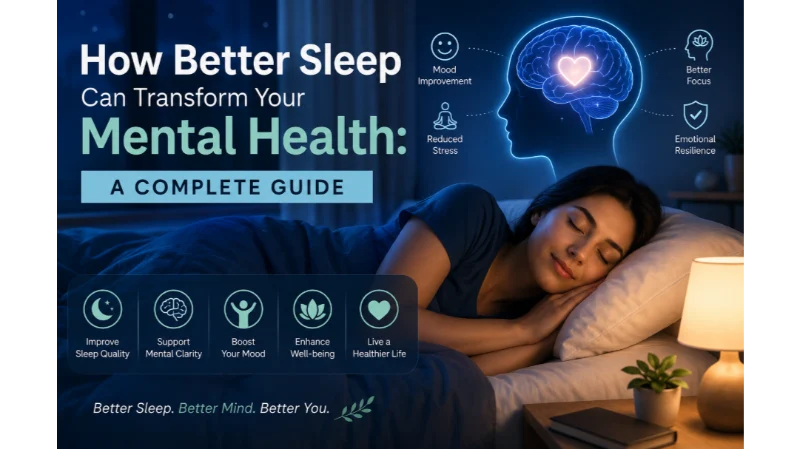
I used to think sleep was optional. Just push through, drink another coffee, catch up on the weekend that was the plan for years. It never really worked. And once I started paying attention to the science, I realized why: the link between better sleep and mental health isn’t some wellness-blog exaggeration. It’s real, it’s measurable, and honestly, it’s a bigger deal than most of us give it credit for.
This isn’t going to be another list of “10 tips to sleep better” articles you’ve probably already skimmed past. Instead, let’s actually dig into why sleep matters so much for your mind, what happens when you don’t get enough of it, and what genuinely helps based on both research and things that hold up in real life.
What’s Actually Happening in Your Brain While You Sleep
Here’s the part that surprised me most: your brain is far from “off” while you’re asleep. It’s busy. Really busy.
During deep sleep, your brain flushes out waste products that build up during the day think of it like a nightly cleanup crew. It also strengthens the memories and skills you picked up while you were awake. Then there’s REM sleep, the dream-heavy stage, where your brain sorts through the day’s emotional clutter. That awkward conversation you had at work? Your brain is probably working through it right now, while you’re fast asleep and completely unaware.
When sleep gets cut short or interrupted night after night, none of this happens properly. The cleanup doesn’t finish. The emotional sorting gets rushed. And that’s really the heart of why better sleep and mental health are so tightly connected the brain simply can’t do its job without enough uninterrupted rest.
The Real Cost of Skipping Sleep
Most people assume the downside of bad sleep is just feeling tired. Sure, that’s part of it. But the mental toll runs much deeper.
Anxiety creeps up. Cortisol, your stress hormone, rises when you’re running on too little sleep. Small annoyances start to feel like emergencies. You snap at people you’d normally shrug things off with.
Depression risk climbs. This one’s well documented poor sleep and depression often feed each other in a loop. You sleep badly, your mood dips, the low mood makes it even harder to sleep, and round and round it goes.
Your emotional filter weakens. There’s a part of the brain called the amygdala that handles emotional reactions, and sleep deprivation makes it more reactive. Basically, you become more likely to overreact to things that wouldn’t normally bother you.
Thinking gets foggy. Memory lapses, trouble focusing, decisions that take twice as long as they should all classic signs of a brain that hasn’t had enough recovery time.
You handle stress worse. People who sleep well tend to bounce back from setbacks faster. Sleep-deprived people, on the other hand, often feel like every problem is bigger than it actually is.
If you’ve ever had one of those days where everything felt unbearably hard after a rough night’s sleep, you already know this isn’t just theory.
Now for the Good News
Here’s where it gets encouraging. Because just as poor sleep chips away at your mental state, improving your sleep can genuinely turn things around. And that’s really the core message behind better sleep and mental health the relationship works in both directions.
Mood stabilizes. Sleep helps regulate serotonin and dopamine, the chemicals largely responsible for how balanced (or unbalanced) you feel emotionally.
Memory sharpens. You retain information better, recall things faster, and generally feel less mentally scattered.
Anxiety eases. A well-rested nervous system doesn’t fire off stress signals as easily, which often translates to a noticeably calmer baseline mood.
You become more resilient. Setbacks that would normally throw off your whole day start to feel more manageable.
Relationships improve too. Patience, empathy, the ability to actually listen instead of just waiting to respond all of this tends to get better with proper rest.
None of this is magic. It’s just what happens when your brain finally gets the recovery time it’s been asking for.
So, What Actually Helps?
I’ll be honest I’ve tried a lot of sleep advice that sounded good on paper and did nothing in practice. But a few things genuinely made a difference, and they line up with what sleep researchers consistently recommend.
Keep a consistent schedule. Not just on weekdays try to wake up and go to bed around the same time daily, weekends included. Your body clock likes predictability far more than we usually give it credit for.
Build a wind-down routine. Doesn’t have to be elaborate. Reading a few pages, some light stretching, even just sitting quietly for ten minutes anything that tells your brain “we’re slowing down now.”
Put the phone away earlier. The blue light from screens messes with melatonin production, and let’s be honest, scrolling right before bed rarely leaves you calmer anyway.
Watch caffeine timing. That 4 pm coffee might feel harmless, but caffeine can linger in your system for six hours or more. If you’re struggling to fall asleep, this is often the first thing worth cutting back.
Fix your sleep environment. Cool room, dark room, quiet room. It sounds basic, but a lot of people underestimate how much a bright hallway light or a too-warm bedroom disrupts sleep quality.
Move your body during the day. Regular exercise supports better sleep just try not to do an intense workout right before bed, since that can leave you too wired to wind down.
Get thoughts out of your head before bed. Journaling, jotting down tomorrow’s to-do list, even a quick brain dump on your phone’s notes app anything that stops your mind from racing once the lights go off.
Skip the long afternoon naps. A short 15-20 minute nap is fine. Napping for two hours at 5 pm, though, is basically guaranteeing a harder time falling asleep later.
None of these are groundbreaking. But consistency matters more than novelty here doing a few of these regularly beats trying everything once and giving up.
When It’s Time to Talk to Someone
If you’ve genuinely tried improving your sleep habits and you’re still lying awake most nights, or you’re dragging through every day no matter how much you sleep, that’s worth mentioning to a doctor. Conditions like insomnia or sleep apnea are common, treatable, and often go undiagnosed for years simply because people assume it’s “just stress.”
Same goes for mental health. If low mood or anxiety sticks around even after your sleep improves, that’s a sign worth taking seriously not something to just push through alone.
Wrapping This Up
The connection between better sleep and mental health isn’t complicated once you actually look at it. Your brain needs sleep to process emotions, consolidate memories, regulate mood, and recover from the mental load of daily life. Skip it consistently, and the effects show up in your patience, your focus, your resilience, all of it.
The encouraging part is that this works both ways. Small, steady changes to your sleep habits can genuinely shift how you feel day to day. You don’t need a perfect routine overnight. Just start with one change maybe it’s putting the phone down earlier, or finally fixing that inconsistent bedtime and build from there.
Better sleep and mental health go hand in hand. Give your brain the rest it’s been asking for, and honestly, you’ll probably notice the difference faster than you expect.