
It is true that medical professionals always aim at providing the best quality services to their clients; however, being financially stable is also crucial to sustain the practice. Claim denial is one of the most serious challenges for all health institutions. In addition to the delayed payments, it results in decreased profitability and increased costs for the administration of the practice as well as frustration on the part of both healthcare professionals and patients. Even small percentages of claim denials may cause serious consequences and have a negative effect on finances.
The process of medical billing itself has become very complicated recently due to various changes in insurance legislation, the development of new codes, compliance issues and other factors which are challenging for most practitioners who try to balance their work with other responsibilities. It is here when specialized medical billing services come into play.
Understanding Claim Denials
Claim rejections refer to the rejection by insurance firms of reimbursements for the provision of services. Rejections may arise from such factors as coding mistakes, missing data, no medical need, duplicate billing, non-eligibility, or late filing of the claim.
Some claim rejections are avoidable, whereas others need an appeal and further documentation. Sadly, most healthcare facilities lack the capacity and time to manage their claim rejections. Consequently, claims get paid at all, and their effect is reduced profitability.
Claim rejections lead to more work for the administrative personnel since each claim needs to be investigated, corrected, submitted again, or appealed. This takes away from precious time and prevents payments that keep the practice afloat.
The Financial Impact of Claim Denials
Claim denials have the potential to harm the financial stability of a healthcare institution. Delays in receiving payments disrupt the cash flow and affect the management of operational costs such as salaries, maintenance of equipment, and facility costs.
It has been established through research that a huge number of denied claims are eligible for recovery; however, a majority of providers do not contest them due to the extensive procedure involved in recovering the funds. Therefore, healthcare providers incur losses due to their failure to collect money that rightfully belongs to them.Besides the monetary cost, claim denials result in increased administrative costs as well. Time is wasted by personnel working on rectifying mistakes and discussing with the insurers about the denied claims and then resubmitting them.
Why Claim Denials Happen
There are several reasons behind healthcare claim denials. For example, one possible reason is inaccurate coding of medical procedures. It should be noted that insurance companies demand accurate coding for diagnoses, treatment plans, and procedures. The slightest error may become a reason for rejection of the claim.The lack of adequate patient information may also lead to denial of claims. For instance, incomplete data regarding insurance, patient demographics, or insurance expiration date may prevent insurance companies from processing the claim.Another possible reason is eligibility verification. In some cases, patients’ insurance coverage expires, and there are no guarantees to cover particular procedures or treatments.
Lack of prior authorization may become another reason for denials. As practice shows, many insurance providers demand approval from patients’ healthcare providers before reimbursement.
Finally, timely filing may be another factor leading to claim denials. Insurance providers operate within tight schedules and have particular requirements regarding filing dates.
How Medical Billing Companies Help
Specialized RCM services companies excel in optimizing the healthcare revenue cycle. The skills and knowledge they possess enable their clients to minimize the rejection of billing claims, improve collection efficiency, and enhance financial performance.
They employ qualified billing experts and certified coders who have extensive knowledge of intricate insurance policy terms and regulatory standards. Additionally, they use advanced billing systems and analytical tools to detect potential problems and fix them before submission.
The most significant benefit that specialized billing companies offer is their expertise in handling the revenue cycle process. Their professional staff has in-depth knowledge of the process, allowing them to submit accurate claims.
Another strength of outsourced billing services is the continuous updates on payer policies, coding standards, and regulatory compliance.
Improving Claim Accuracy
Correct claim filing is vital for minimizing denials. Medical billing organizations thoroughly examine the claims prior to filing to guarantee that all information needed for processing is accurate.
This involves ensuring that patients have insurance coverage, coding is correct, documentation is sufficient, and the claims adhere to insurance companies’ policies.
Through such scrutiny, billing personnel avoid many denials because they fix problems even before the insurance companies get the claims. Billing companies establish good relationships with insurance firms and minimize the likelihood of denials arising from delays.
Faster Denial Management and Appeals
No matter how well-prepared a claim is, there will always be instances when it is denied. Denial management is a service offered by companies that aims to address such problems as quickly as possible.
Through their expertise and knowledge in working with insurance companies, billing experts study the reason for denial, resolve the problem, secure pertinent documents, and submit an appeal to ensure payment. Denial management enables healthcare facilities to determine repetitive denial patterns.
If a particular insurance company regularly rejects claims for particular treatments, then the process will be optimized to avoid similar denials in the future.
Enhanced Revenue Cycle Management
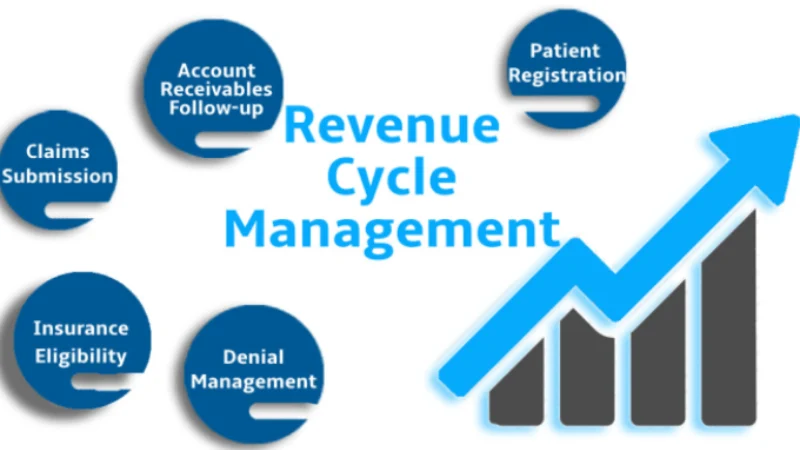
The revenue cycle includes all the financial aspects of the treatment process, starting from scheduling appointments and verifying insurance coverage through filing claims and collecting payments.
A medical billing company ensures that every phase of the revenue cycle is efficient and profitable by managing each phase, tracking the claim status throughout the billing process, identifying outstanding balances, and communicating with insurance providers to expedite payments.
Enhancing the revenue cycle streamlines the billing process, fast-tracks payments, and provides financial stability.
In addition, healthcare facilities can access comprehensive financial data analysis tools and performance indicators that facilitate decision-making and strategic planning.
Reducing Administrative Burden
Internal medical billing may be challenging for health care professionals. Administrative staff, front desk, and physicians will have several functions on their shoulders, which makes handling their billing obligations more difficult.
When medical billing outsourcing is used, billing specialists manage claim submission, posting payments, denial management, insurance follow-up, and patient billing questions.The advantage here is that health care workers will be able to allocate more time to providing medical services rather than engaging in administrative duties.
Medical billing services allow minimizing administrative stress, which increases productivity.
Ensuring Compliance and Security
Compliance is critical in healthcare billing in terms of coding standards, patient confidentiality, and insurance laws. Non-compliance with the guidelines may attract fines, audits, and legal issues.
Medical billing companies emphasize compliance and security as their main focus. They adhere to industry standards and keep their system secure to ensure the safety of patient data.
Their understanding of healthcare regulations allows for risk management by minimizing chances of compliance issues and billing fraud.
Compliance can also improve their reputation among insurance firms and increase the likelihood of fewer audit claims.
Supporting Practice Growth
A good revenue cycle is crucial for the development of any practice and its sustainability. In case doctors have problems with denied claims and payments, it would be impossible for them to afford hiring new staff or investing in technologies and other resources.
Billing services allow hospitals or clinics to create better foundations for their future development by decreasing the amount of lost revenue.
As a result, physicians will have no problem concentrating on their core business, which is providing services that bring income.
In addition, scalable billing solutions also prove to be useful for those healthcare facilities that grow rapidly.
Conclusion
Denial of claims is among the most troublesome issues faced by healthcare companies in their quest for financial sustainability. Denial results in delayed payment, increased administrative workload, and decreased profitability. For many healthcare organizations, it becomes difficult to cope with billing issues in-house due to increasing complexity.
Medical billing service companies provide expert knowledge, modern technology, and professional assistance for improving billing efficiency and reducing denials. Effective revenue cycle management, appealing denied claims, compliance management, and simplifying administrative tasks are some of the ways through which billing service companies can help health organizations thrive financially.
By working with a competent medical billing service company www.medbillcollections.net ,a healthcare provider can be assured that patient care comes first without compromising on practice sustainability.