
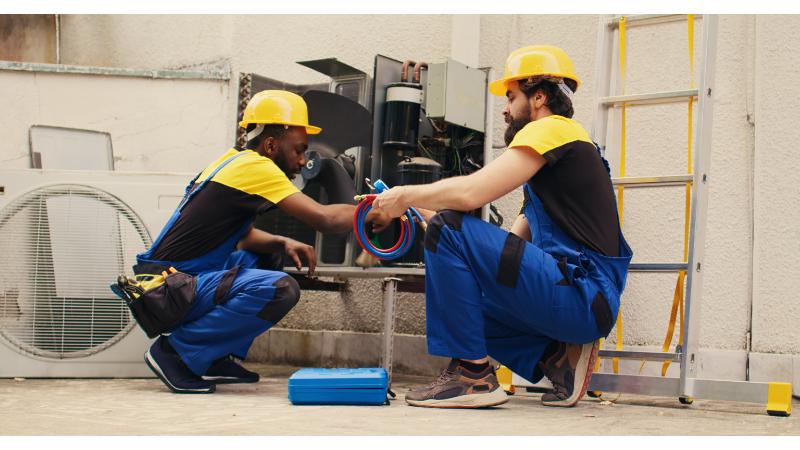
Troubleshooting complex HVAC system failures requires more than simply replacing parts or guessing what might be wrong. It involves careful observation, structured reasoning, and a deep understanding of how heating, cooling, airflow, and electrical components interact within a system. Many breakdowns that appear random actually stem from small imbalances that gradually affect performance over time. Technicians rely on systematic checks, live measurements, and equipment behavior patterns to pinpoint the true source of failure. This process often takes place in stages, moving from general symptoms to precise causes. The work is both technical and investigative, requiring patience and attention to detail at every step.
Understanding System Breakdowns
-
First Response Evaluation and System History Review
When arriving at a site experiencing HVAC failure, technicians begin by forming a clear picture of the situation before touching any equipment. They listen to the homeowner’s description of symptoms, such as uneven temperatures, unusual noises, or complete system shutdowns. This information provides early clues that guide the direction of inspection. Instead of rushing into repairs, the technician evaluates how the system behaves under current conditions, including thermostat readings and visible operational signs. During this stage, a structured troubleshooting mindset is essential, as many issues can be misdiagnosed if the process is rushed.
A careful approach helps avoid unnecessary replacements and ensures the root cause is identified accurately. In some cases, a system may appear completely failed when it is actually reacting to a single faulty control point. A Heating & Cooling Company in Poway, CA often emphasizes this methodical approach to ensure accurate diagnosis before any corrective action is taken, reducing repeated breakdowns and improving long-term system stability.
-
Electrical Pathways, Controls, and Signal Interpretation
Once the initial assessment is complete, attention often shifts toward electrical components, which are common sources of hidden system failures. Modern HVAC systems rely heavily on circuit boards, sensors, relays, and communication wiring to regulate performance. When any part of this network becomes inconsistent, the entire system may behave unpredictably. Technicians carefully test voltage levels, continuity, and signal responses to ensure that commands are transmitted and executed properly.
A small interruption in electrical flow can cause compressors, fans, or heating elements to shut down unexpectedly. Reading diagnostic codes from control boards is also part of this stage, but interpreting them requires understanding how different components interact rather than relying solely on error messages. Misleading signals are not uncommon, so cross-verification with physical testing is essential to avoid incorrect conclusions and unnecessary part replacements.
-
Airflow Behavior, Mechanical Strain, and Refrigerant Balance
Airflow and refrigerant balance play a major role in system performance, and disruptions in either area can create symptoms that resemble electrical failures. Technicians inspect ductwork, filters, and blower operation to determine whether air is moving efficiently through the system. Restricted airflow can cause overheating, short cycling, or reduced cooling output. On the refrigerant side, pressure readings are carefully analyzed to determine whether the system is properly charged or if leaks may be present. Even slight imbalances can significantly reduce efficiency and strain internal components.
Mechanical wear, such as failing motors or clogged coils, can also contribute to performance issues that develop gradually. Understanding how these physical factors interact helps technicians distinguish between surface symptoms and deeper system problems, ensuring that the actual cause is addressed rather than just the visible effect.
-
Intermittent Failures and Advanced Diagnostic Observation
Some HVAC issues do not appear consistently, making them more difficult to identify during a single inspection. These intermittent failures often require extended observation or the use of monitoring tools that record system behavior over time. Technicians may track temperature fluctuations, cycling frequency, and pressure variations to detect irregular patterns. These hidden inconsistencies can be caused by faulty sensors, loose wiring connections, or components that malfunction only under specific conditions, such as extreme temperatures. Instead of relying on a single test result, technicians gather multiple data points to build a complete picture of system behavior.
This approach reduces the risk of misdiagnosis and helps uncover faults that might otherwise go unnoticed. Patience is essential during this stage, as intermittent problems rarely reveal themselves immediately and often require repeated verification.
-
Environmental Conditions and Installation-Related Challenges
External conditions and installation quality also influence HVAC system performance and failure patterns. Systems installed in poorly ventilated spaces, exposed to excessive dust, or constrained by structural limitations may experience recurring issues unrelated to mechanical failure. Technicians evaluate the surrounding environment to determine whether external factors are contributing to system stress. Improper installation practices, such as incorrect sizing, poor duct design, or inadequate sealing, can also create long-term inefficiencies that mimic component failure.
These issues often require corrective adjustments beyond simple part replacement. By analyzing both internal system behavior and external conditions, technicians can identify whether the root cause lies within the equipment itself or in the environment supporting it. This broader perspective is essential for developing long-lasting solutions rather than temporary fixes.
-
Communication, Documentation, and Safety Awareness in Diagnostics
Throughout the troubleshooting process, clear communication and careful documentation play a critical role in ensuring accurate repairs and future reliability. Technicians record findings, measurements, and observed behaviors to build a complete diagnostic profile of the system. This documentation helps prevent repeated issues and provides valuable reference information for future service needs. Safety is also a constant consideration, as HVAC systems involve electrical currents, pressurized components, and moving mechanical parts. Proper shutdown procedures and protective measures are followed to reduce risk during inspection and repair. Communication with property owners ensures that findings are clearly explained, allowing informed decisions about repairs or replacements. This structured approach helps maintain consistency in service quality while reducing uncertainty in complex repair situations.
Troubleshooting complex HVAC system failures is a layered process that combines observation, technical testing, and environmental analysis. Each step builds upon the previous one, allowing technicians to move from general symptoms to precise causes without unnecessary guesswork. Electrical systems, airflow dynamics, refrigerant balance, and installation conditions all play interconnected roles in system performance. Intermittent issues and hidden faults require patience and careful data collection to fully understand. By combining structured diagnostics with real-world system behavior, technicians can restore functionality while preventing recurring problems. This thoughtful approach ensures that heating and cooling systems operate more reliably, efficiently, and safely over time.