
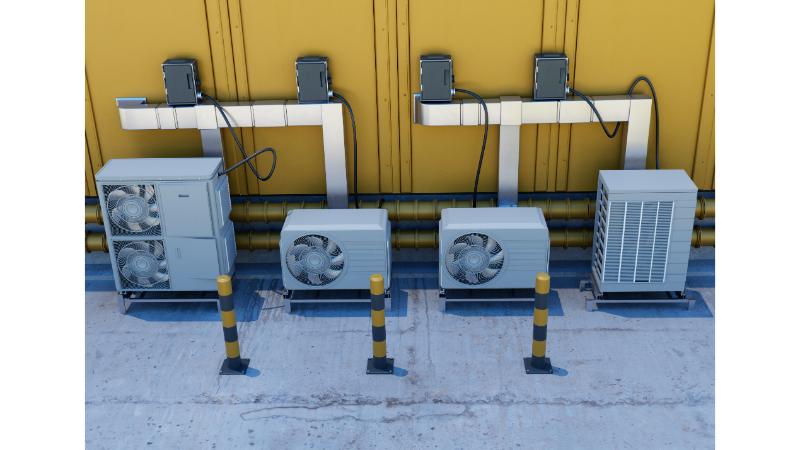
In regions where temperatures regularly reach extreme levels, cooling systems must be planned with far greater precision than in moderate climates. HVAC companies operating in such environments focus on designing systems that can withstand prolonged heat exposure while maintaining indoor comfort and energy efficiency. This involves careful evaluation of building design, insulation levels, airflow patterns, and equipment capacity before installation begins.
In places like Arizona, cooling demand is not just seasonal but nearly constant for much of the year, which places continuous pressure on equipment performance. The goal is to balance efficiency, durability, and indoor air quality while preventing system overload during peak heat conditions.
Cooling Strategy Foundations in Hot Climates
-
Core Design Approaches for Desert Cooling Systems
In desert environments, cooling strategies begin with understanding how heat enters and accumulates within a structure. HVAC planning focuses on reducing heat gain through walls, roofs, and windows before selecting equipment size and capacity. Engineers analyze sun exposure patterns throughout the day and design systems that can respond to rapid temperature spikes. In many cases, zoning strategies are incorporated to divide buildings into cooling sections, allowing for more controlled temperature distribution. This reduces unnecessary strain on the system and helps maintain comfort in occupied spaces.
In Arizona cities with high residential and commercial cooling demand, coordination between design and installation teams is essential. An HVAC company in Mesa AZ, often evaluates both architectural layout and material composition before recommending a cooling system, ensuring that every component aligns with the region’s demanding climate conditions. This early-stage planning helps prevent inefficiencies that could lead to excessive energy consumption or uneven cooling.
-
Managing Heat Load Through System Engineering
One of the most important aspects of designing cooling systems for extreme-heat regions is accurately calculating the heat load. This involves assessing how much cooling energy a building requires during peak temperature periods. HVAC engineers consider internal heat sources such as appliances, lighting, and occupancy levels in addition to external heat exposure. Systems are then engineered to handle these combined loads without excessive cycling or strain. Oversized or undersized units can both create inefficiencies, so precise balancing is essential. In extreme environments, equipment is often selected with higher tolerance thresholds to ensure reliability during prolonged heat waves.
Engineers also incorporate redundancy features in some commercial installations to prevent total system failure during peak demand periods. By focusing on thermal load distribution and system responsiveness, HVAC designers create cooling strategies that maintain steady performance even when outdoor temperatures reach extreme levels over extended periods.
-
Airflow Optimization and Internal Circulation Control
Effective cooling in high-temperature regions is not only about equipment capacity but also about how air moves through a space. HVAC companies place strong emphasis on airflow design to ensure even temperature distribution throughout a building. Poor airflow can create hot spots that reduce comfort and force systems to work harder than necessary. Designers carefully map duct routes and vent placements to maximize circulation efficiency. Return air pathways are also configured to support balanced pressure within the system.
In many modern designs, variable-speed fans are used to adjust airflow dynamically in response to temperature changes inside the building. This approach reduces energy waste while improving overall cooling consistency. Proper airflow planning also helps maintain indoor air quality by preventing stagnant air zones. When circulation is well-designed, cooling systems operate more smoothly, reducing component wear and improving long-term reliability in extreme heat environments.
-
Building Envelope Improvements and Heat Resistance
A critical factor in cooling strategy design is the structure itself, often referred to as the building envelope. HVAC companies frequently work alongside builders or retrofit specialists to improve insulation, sealing, and material performance. In hot climates, preventing heat from entering the building is just as important as cooling the interior air. Reflective roofing materials, insulated walls, and energy-efficient windows all help reduce heat gain. Even small gaps in sealing can significantly increase cooling demand, so attention to detail is essential. By improving the envelope, HVAC systems can operate more efficiently and cycle less frequently.
This reduces strain on mechanical components and lowers overall energy usage. In desert environments, these improvements can dramatically affect indoor comfort, especially during peak afternoon temperatures. The combination of structural upgrades and mechanical cooling design creates a more stable indoor environment that resists external temperature fluctuations more effectively.
-
Smart Technology Integration for Adaptive Cooling
Modern cooling strategies increasingly rely on smart control systems that adjust performance based on real-time conditions. These systems use sensors to monitor indoor temperature, humidity, and occupancy levels, allowing HVAC units to respond automatically to changing conditions. Instead of running at constant output, systems can scale their performance up or down as needed. This reduces unnecessary energy consumption while maintaining consistent comfort. Programmable thermostats and building management systems also allow for scheduled cooling adjustments based on occupancy patterns.
In large commercial buildings, centralized control platforms provide real-time monitoring of system performance, helping identify inefficiencies before they become major issues. Smart technology also supports predictive adjustments based on weather forecasts, preparing systems for upcoming heat waves. By integrating these adaptive tools, HVAC companies create more responsive and efficient cooling environments better suited to regions where temperatures can change rapidly and reach extreme levels.
-
Equipment Selection and Long-Term Durability Planning
Choosing the right equipment for extreme heat regions requires careful consideration of durability and performance thresholds. HVAC companies prioritize systems that can withstand continuous operation under high thermal stress without frequent breakdowns. Components such as compressors, condensers, and coils are selected for their ability to operate efficiently at high ambient temperatures. Corrosion resistance is also important, especially in areas where dust and dry air can affect system longevity. Maintenance accessibility is another factor, as systems must be serviced regularly to maintain peak performance in harsh environments.
Engineers also consider energy-efficiency ratings, ensuring that systems deliver strong cooling output without excessive power consumption. In long-term planning, durability becomes just as important as initial performance. Systems that can maintain stable operation over many years reduce replacement costs and improve reliability. This careful selection process ensures that cooling systems remain dependable even under the constant strain of extreme heat conditions.
Maintaining comfortable indoor environments in regions with extreme heat requires a combination of engineering precision, structural awareness, and adaptive technology. HVAC companies working in such climates focus on creating systems that balance efficiency, durability, and responsiveness under constant thermal stress.
From airflow design to equipment selection and smart control integration, each element contributes to overall system performance. In areas like Arizona, where cooling demands are persistent and intense, long-term reliability becomes a key priority in system design. By combining careful planning with advanced cooling strategies, HVAC professionals help ensure that buildings remain safe, comfortable, and energy-efficient even during the most challenging heat conditions.